Story
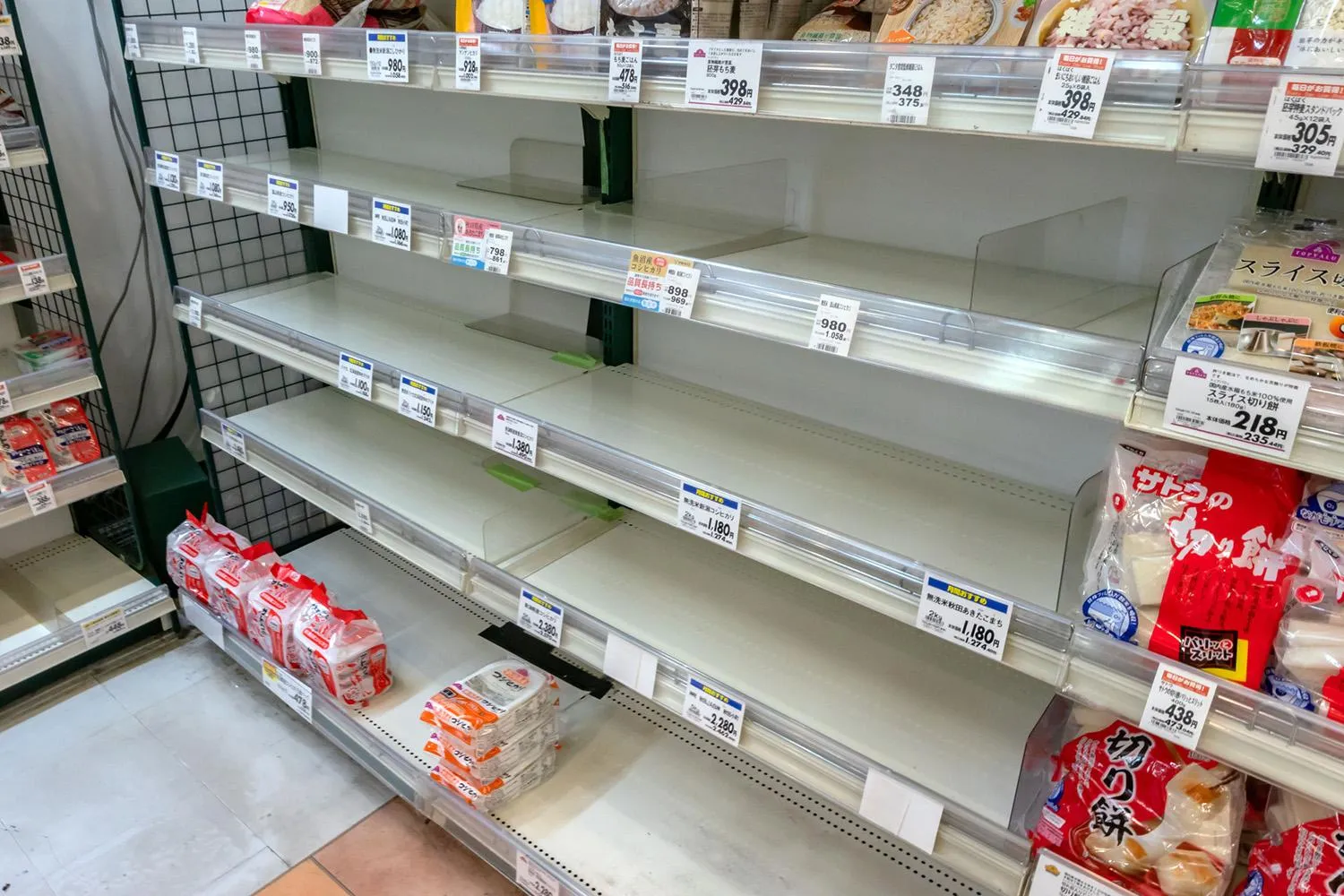
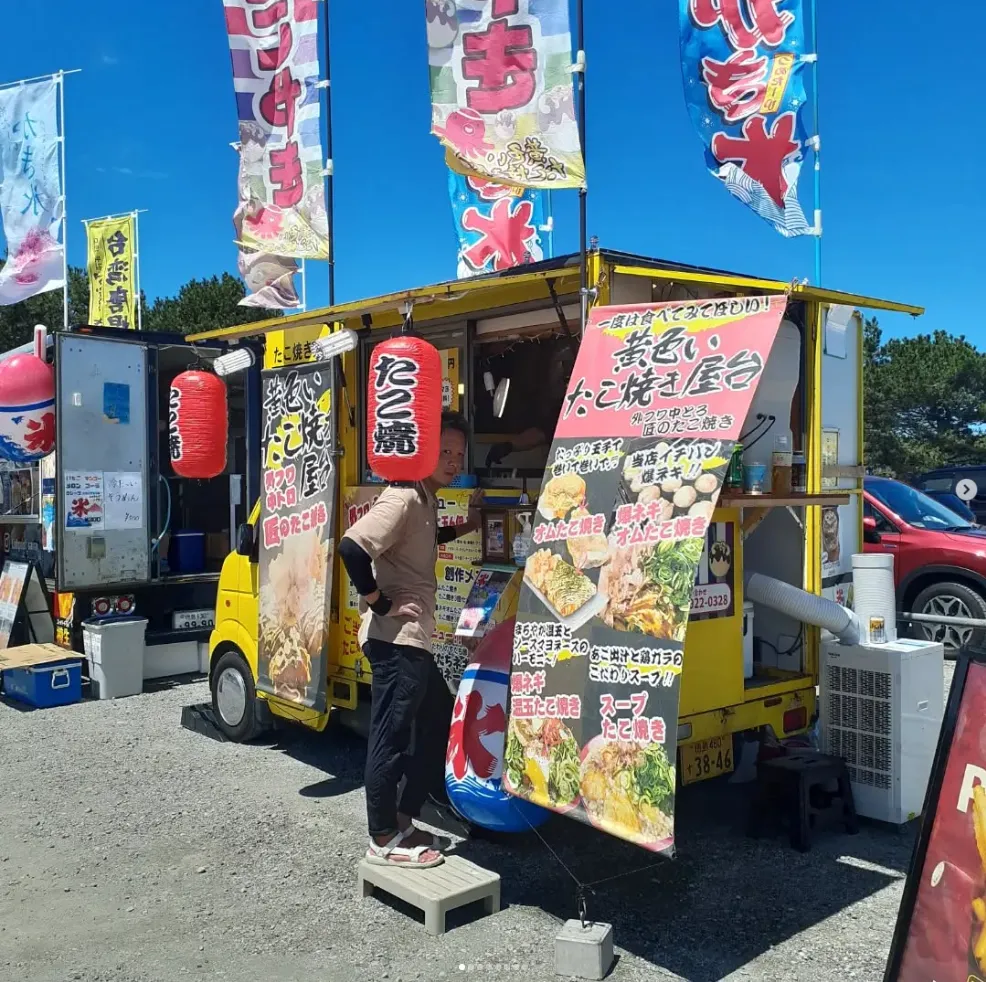
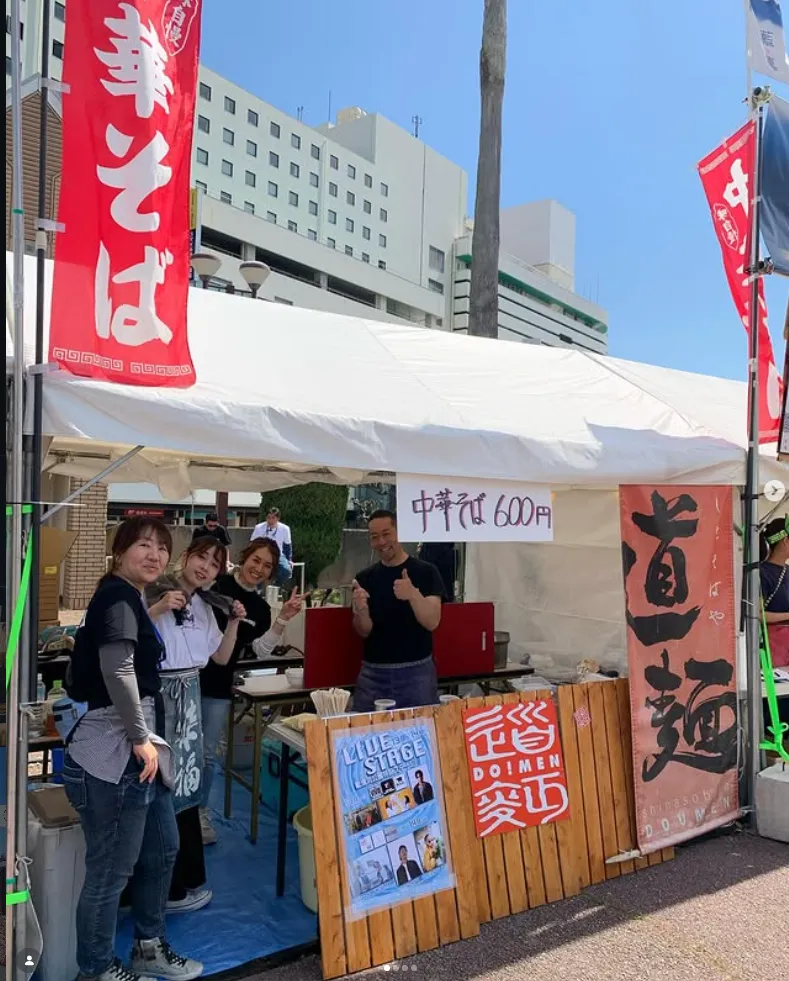
Rice is the staple food in Japan. Although the consumption of wheat-based foods such as bread, pasta, and ramen has increased in recent years, rice remains deeply connected to Japanese culture and national identity. However, Japan's overall food self-sufficiency rate remains relatively low, and the country relies heavily on imports for many foods, such as wheat and beef.
In contrast, rice has historically maintained a food self-sufficiency rate close to 100%. Although Japan experienced a rice shortage in 1993, subsequent policies like government stockpiles helped maintain stability. However, around August 2025, rice shortages began to occur in supermarkets despite no major crop failure, and prices rose sharply, affecting low-income households. These events highlighted the importance of food security and increased awareness of food self-sufficiency in Japan.
Another challenge is that preferred short-grain rice varieties, like Koshihikari, require large amounts of water and long cultivation periods, making it difficult to rapidly increase production during shortages. Therefore, food issues related to rice may become more serious and prolonged in the future.
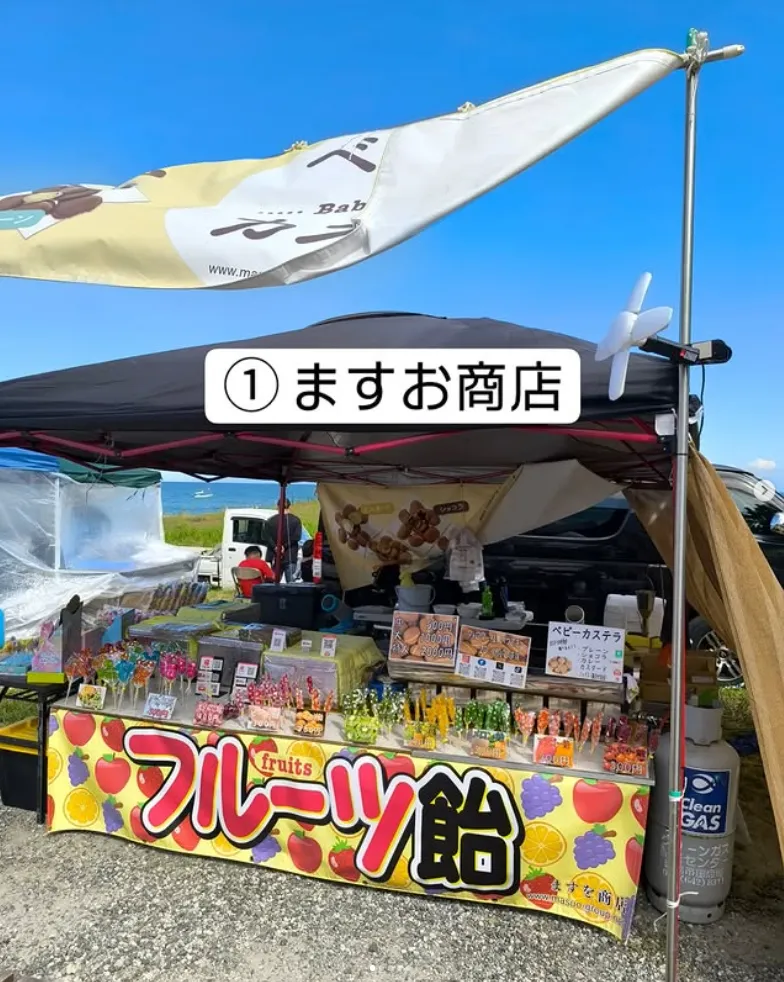
This program provides hands-on agricultural and food education experiences for elementary and junior high school students and their parents.
- Experience cultivating both fast-growing and traditional rice varieties.
- Learn about the process of rice cultivation.
- Participate in threshing and rice polishing activities.
- Gain awareness of future food security and sustainability issues.
The goal is to introduce students to agriculture and food production through practical experiences in a supportive environment.
Project Partners
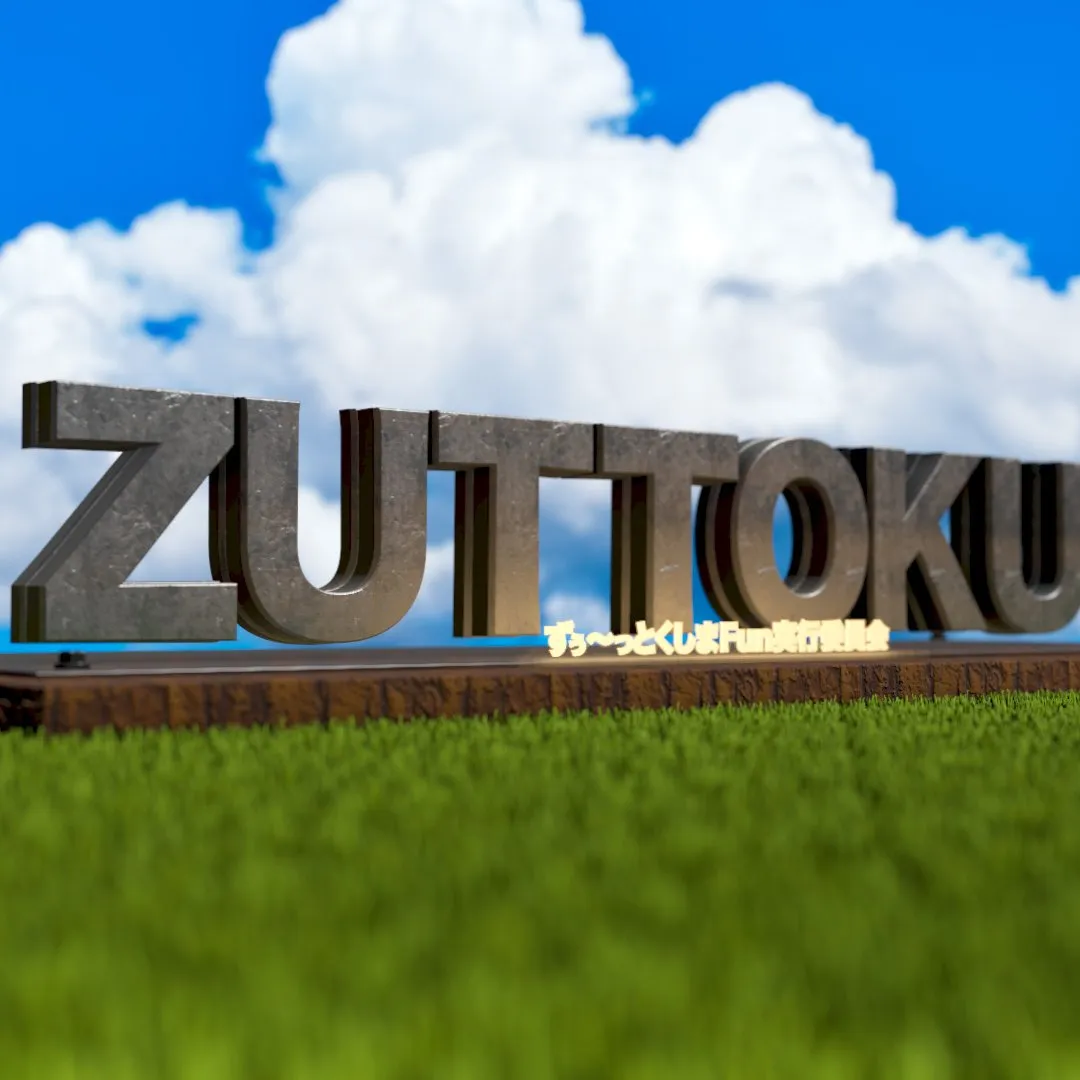
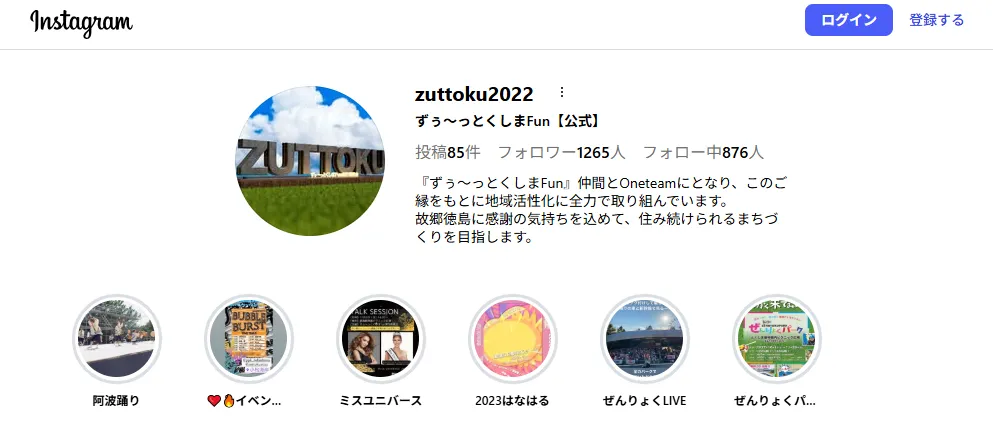
Zutto Tokushima (Certified NPO) - A nonprofit organization of construction professionals working to revitalize Tokushima Prefecture through regional development and sustainability projects. Link: https://www.instagram.com/zuttoku2022/
FC Tokushima (Soccer Team) - A team based in Yoshinogawa City and the only club in Japan featuring Cardano as a sponsor logo. They are active in community engagement. Website: https://fctokushima2016.com/

Target Participants:
- Elementary and junior high school students (primarily from Kawashima Elementary School).
- Parents and families of participating students.
- Project stakeholders and residents of Yoshinogawa City.
Activities include:
- Rice cultivation experiences.
- Food education programs.
- Community meal activities using harvested rice.
Budget Plan:
- Event pamphlet and cultivation manual: $500
- Rice planting event: $750
- Project management and mid-term event: $750
- Total requested funding: $2,000
Expense Timeline:
- March: Creation of pamphlets and manuals (design/printing) - $500.
- April: Rice planting event (instruction, facility prep, educational activities) - $750.
- May: Mid-project management (photography, documentation, reporting) - $750.
- July: Harvest event (rice milling and community meal preparation) - Covered by organizers.
Campaign Timeline:
- Campaign Launch: 15 March – 15 April.
- Batch 1 Funding (50%): 1000 USDT by 1 April.
- Batch 2 Funding (50%): 1000 USDT by 1 May.